


By Max Suspension · B2B sourcing and product guides
Approve a coilover sample against a written configuration and acceptance record, then link that approval to the production revision. “Sample looks good” is too broad to tell a factory which dimensions, components, finish and performance characteristics the buyer has accepted.
This is a procurement release workflow for importers and private-label brands. Vehicle fitment and dynamic evaluation should be carried out by qualified personnel using the applicable product instructions; this checklist is not an installation procedure.
Agree the acceptance record before the sample arrives
Give each sample a project reference, application, configuration revision and individual identification. Record the spring specification, damper setting reference, mounting arrangement, finish, accessories and packaging status. List substitutions made only for the prototype.
Then identify who can approve each area. Purchasing may approve labeling and commercial scope, while the technical reviewer signs off the application evaluation. A distributor’s warehouse can confirm contents without being responsible for vehicle engineering.
| Review area | Record to retain | Decision at the end |
|---|---|---|
| Identity | Sample IDs, application and specification revision | Correct sample or clarification needed |
| Dimensions/interfaces | Agreed drawing and measured results | Within approved requirements or rework |
| Vehicle evaluation | Vehicle configuration, installer observations and photos | Supported configuration or unresolved fitment |
| Performance evidence | Agreed test method, conditions and results | Accepted baseline or revised specification |
| Finish and branding | Approved sample/photos under agreed viewing conditions | Cosmetic approval or correction |
| Contents and packaging | Parts list, labels and pack-out record | Complete shipment configuration or open items |
Inspect what arrived before testing it
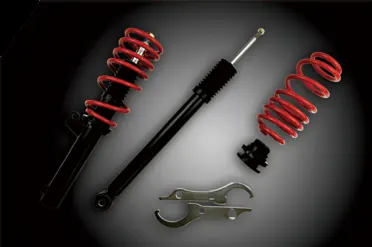
Photograph the unopened carton and the unpacked contents. Match the components to the proposed bill of materials. Check front/rear and left/right identification where applicable, and record any missing hardware or instructions before the sample is altered or fitted.
Keep transport damage separate from product nonconformity. Both need a response, but the corrective action may belong to different parts of the process. Record the original condition so the supplier does not have to reconstruct it from a later description.
Separate dimensional approval from vehicle approval
A sample can match a drawing while still requiring application validation. Have the technical reviewer confirm the intended vehicle variant, mounting interfaces, relevant clearances and any original parts that must be retained. Capture deviations against the agreed requirements, rather than asking for an informal “fits well” message.
If an application has several suspension options, a successful check on one vehicle does not automatically approve all variants. Update the fitment record with the tested configuration and any exclusions. The kit contents checklist helps keep supplied and reused components explicit.
Make performance comparisons repeatable
Where damper or spring test results are part of acceptance, agree the method and comparison conditions before reviewing a graph. Ask for units, equipment identification, test date, sample identity and the setting used. Curves generated under different conditions should not be treated as interchangeable evidence.
For ride evaluation, document the vehicle configuration and the agreed observations. A comment such as “too firm” needs context: which conditions produced the concern, which configuration was installed and what change is being requested? The engineering reviewer should translate that feedback into a controlled revision rather than an undocumented adjustment.
Do not invent a universal matching tolerance. Acceptance limits should come from the project’s engineering requirements and the supplier’s demonstrated process.
Use three release states
Approved: all required areas are closed for the stated revision. Approved with defined exceptions: only named, non-blocking items remain, with an owner and a verification step. Not approved: a required function, application or production detail remains unresolved.
An exception must say what can proceed. Approving carton artwork does not authorize production of a revised mounting bracket. Likewise, accepting a prototype’s performance does not approve an undocumented change to its spring or damper specification.
Retain a reference sample where practical and identify whether it represents the final production configuration. If parts change after approval, assess which checks must be repeated. A “golden sample” without a revision record can become a source of confusion rather than a control.
Carry the approval into the first production order
The purchase order should reference the approved specification, sample record and outstanding actions. Request confirmation that production documents reflect the same revision. Decide which first-batch checks will demonstrate continuity with the approved sample and how discrepancies will be handled before shipment.
For Max Suspension projects, send your application, intended use and sample acceptance requirements before arranging evaluation. Our OEM/ODM page outlines the available project routes; the lead-time guide explains how sample revisions affect the production schedule.
Cover: AI-generated editorial illustration based on Max Suspension product imagery. Refer to the confirmed specification for actual product details.