


By Max Suspension · B2B sourcing and product guides
A private-label coilover program needs an approved product, a controlled brand presentation and a workable support process. Put those three pieces together before expanding the application list. A logo on an unconfirmed specification creates a branded product that is still difficult to quote, install and replenish.
For distributors building their own range, the most useful launch plan is a series of release decisions. Each decision should produce a record the next team can use.
Gate 1: define the first range you can support
Choose the initial applications from your channel’s demand and service capability. Record the vehicle variants your dealers actually encounter, the customer use case and the information your sales team needs to explain the offer.
Keep a distinction between the launch range and the expansion list. An application without confirmed fitment, contents or evaluation status belongs on the expansion list until those gaps close. This makes availability statements more credible and avoids collecting orders against an unfinished configuration.
The existing guide to fitment coverage in private-label suspension discusses catalog breadth. The launch decision here is narrower: which applications are ready to carry your brand first?
Gate 2: choose the development depth
Separate brand changes from functional changes. Logo placement, labels and carton artwork need approval, but a different spring, mounting arrangement or damper specification introduces a technical review task as well.
| Project layer | Define before quotation | Release evidence |
|---|---|---|
| Existing platform | Application and supplied configuration | Confirmed application/specification |
| Performance changes | Intended use and proposed technical differences | Agreed evaluation results |
| Physical branding | Artwork, location and finish | Approved marking sample |
| Packaging | Protection, contents map and labels | Approved packed sample |
| Dealer support | Fitment notes, instructions and issue route | Current documents with an owner |
Use the OEM versus ODM guide to assign design responsibility. Do not rely on the three-letter label alone; write down who owns the specification and who approves changes.
Gate 3: approve the configuration your customers will receive
The sample should represent the intended production product. If prototype substitutions are unavoidable, list them and identify what must be reviewed again. Approve the product and the packaging separately so a cosmetic correction does not obscure an unresolved technical issue.
Retain a specification revision, sample identification and a signed decision record. A chat message approving a red spring does not establish the spring’s dimensions or performance requirements. The sample approval workflow provides a practical structure for closing those decisions.
Gate 4: make one SKU tell one consistent story
Build a master record for each kit: brand SKU, supplier part reference, application, configuration revision, contents, packaging revision and support documents. Connect photographs to that record. If a catalog photo shows optional mounts, say so or replace it with the approved configuration.
Your label, dealer sheet, website and quotation should use the same fitment description. Give one person responsibility for distributing changes. Without that ownership, an old spreadsheet can continue circulating long after the factory has corrected the product record.
Avoid making a feature universal across the range when it applies only to selected kits. Mount type, adjustment access and included accessories should remain application-specific.
Gate 5: release the first batch with a feedback route
Before production, confirm quantity by SKU, component and packaging minimums, the approved revision, inspection arrangements and the schedule start point. Also decide how the first batch will be identified in the field.
Give dealers a concise issue-report form: kit identity, vehicle configuration, installation context, photos and a clear description of the concern. Route technical questions to the responsible reviewer and commercial claims to the agreed contact. Do not ask a dealer to diagnose a component merely to open a support case.
At the end of the launch period, review recurring fitment questions, missing information and reorder patterns. Separate a product defect from an instruction gap or an incorrectly selected application; each calls for a different corrective action.
A launch pack worth keeping together
Your project folder should contain the application master, approved specification, sample-release record, brand artwork, packaging record, dealer information and first-order confirmation. Give every file a revision and owner. This is also the basis for replenishment after staff or suppliers change.
Max Suspension’s OEM/private-label offering includes project discussions around branding, packaging and sample-based development. Send your target market, first applications, order quantities and proposed customization so the available route and project-specific requirements can be reviewed together.
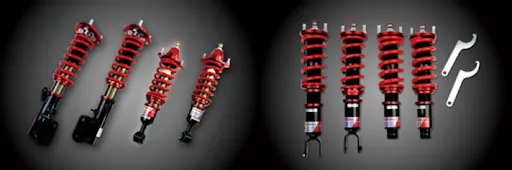
Cover: AI-generated editorial illustration based on Max Suspension product imagery. Refer to the confirmed specification for actual product details.